Understanding these risk factors can help you protect your vision by scheduling regular eye exams with an optometrist to catch glaucoma early.

Glaucoma Awareness Month: What You Should Know
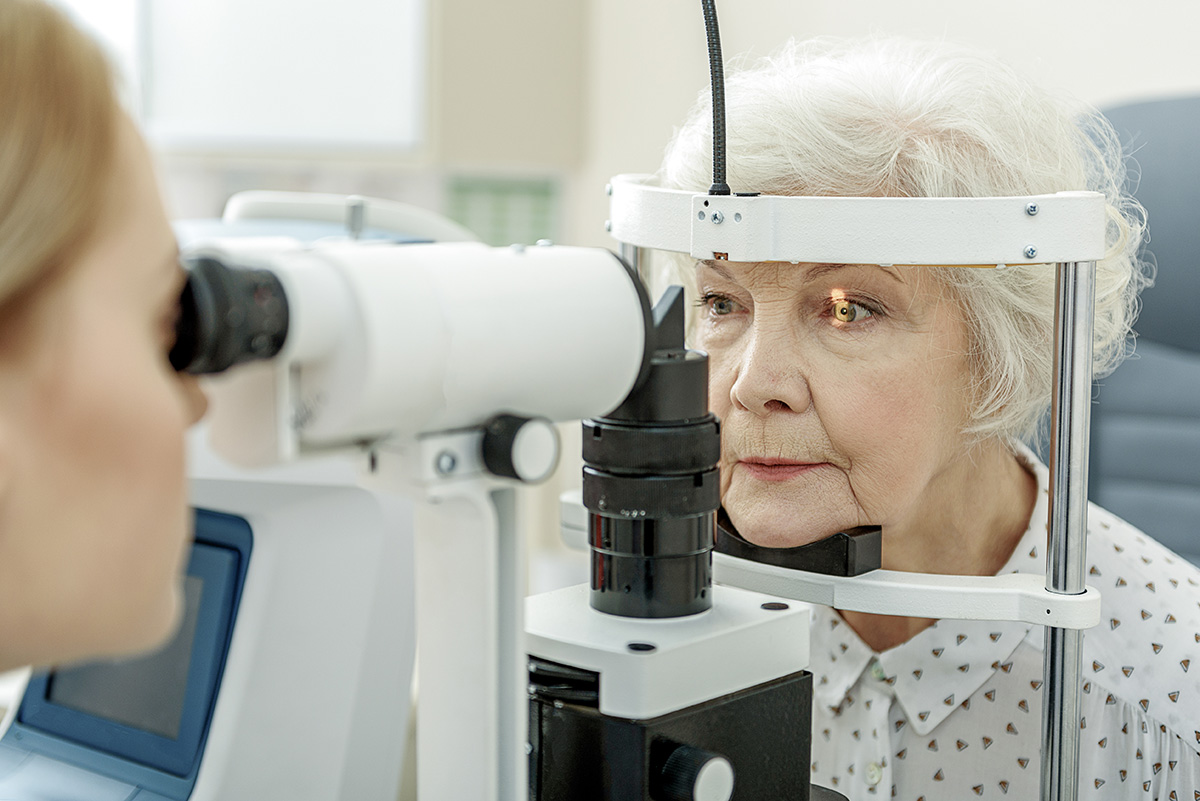
Since January is Glaucoma Awareness Month, now is a great time to learn about this serious eye condition. Glaucoma affects over four million Americans and is one of the leading causes of irreversible blindness worldwide.¹
Fortunately, there are many treatment options available, and taking care of your eyes can help reduce the risk of developing glaucoma. In this blog post, we’ll take a look at what glaucoma is, its symptoms, causes, treatment options, and how to protect your eyes.
What is glaucoma?
Glaucoma is a group of eye diseases that causes damage to the optic nerve, the part of the eye that sends visual images to the brain, typically due to increased pressure inside the eye. This pressure builds up when fluid does not move properly out of the front part of the eye, resulting in nerve damage and vision loss. If left untreated, glaucoma can lead to permanent vision damage or even blindness.
Glaucoma is one of the leading causes of blindness in Americans over 60 years old and affects people of all ages and races. There are two main types of glaucoma: open-angle and closed-angle (or angle-closure).
- Open-angle glaucoma is more common and develops slowly without any obvious symptoms until it has already caused significant vision loss.
- Angle-closure glaucoma occurs when the drainage angle within the eye becomes blocked, resulting in sudden increases in intraocular pressure (IOP). This type can cause severe eye pain as well as nausea and vomiting.
Signs of glaucoma
Symptoms of glaucoma will vary depending on the type of glaucoma you have. Some common signs include:
- Blurry vision
- Seeing halos around lights
- Tunnel vision (loss of peripheral vision)
- Pain in or around the eye
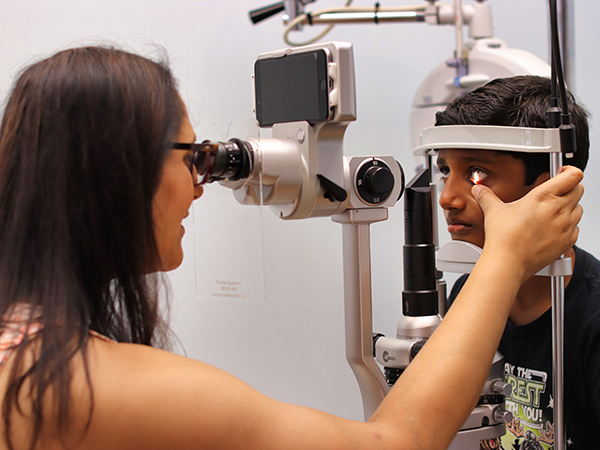
It is important to see an optometrist if you experience any of these symptoms, as early diagnosis and treatment can help reduce the risk of further vision loss or damage. Our eye doctors can perform a comprehensive eye exam and identify the root cause of your symptoms, protecting your eyes and detecting eye diseases before they cause significant vision loss.
Causes & risk factors for glaucoma
The exact cause of glaucoma is not known, but there are a few risk factors associated with developing this condition, such as:
- Age (over 60 years old)
- Family history/genetics
- Certain medical conditions (diabetes)
- Race (African Americans are at higher risk)
- Trauma to the eye
There are several treatments available for patients with glaucoma, including medications (eye drops or pills), laser therapy (to reduce fluid production), surgery (to create new drainage channels in your eye), and alternative treatments such as acupuncture or dietary supplements. If you have glaucoma, our eye care professionals in Arlington or Memphis can work with you to determine the best treatment option for your specific case.
Ways to prevent glaucoma
When it comes to prevention, there are a few things you can do to protect your eyes from glaucoma:
- Wear sunglasses when outdoors
- Eat a healthy diet rich in fruits and vegetables high in antioxidants (e.g., spinach and blueberries)
- Avoid smoking
- Get regular exercise
- Reduce screen time exposure from devices
It’s also important to schedule regular comprehensive eye exams with an optometrist, even if you don’t have any symptoms, especially after age 40.
Through regular check-ups with your optometrist as well as lifestyle changes, we can all do our part in protecting our precious sight from glaucoma’s disabling effects. If you are at a higher risk of developing glaucoma or are overdue for an eye exam, schedule an appointment with Primary Eye Care of Arlington and South Main today!
References:
- Glaucoma: facts & figures. brightfocus.org

Arlington Office
Contact Information
Office Hours
- Monday 8:00 AM - 5:00 PM
- Tuesday 8:00 AM - 5:00 PM
- Wednesday 8:00 AM - 5:00 PM
- Thursday 8:00 AM - 5:00 PM
- Friday 8:00 AM - 12:00 PM
- Saturday Closed
- Sunday Closed
Memphis Office
Contact Information
Office Hours
- Monday Closed
- Tuesday By Appointment
- Wednesday By Appointment
- Thursday By Appointment
- Friday 8:00 AM - 5:00 PM
- Saturday 9:00 AM - 12:00 PM
- Sunday Closed
© 2026 Primary Eye Care of Arlington & South Main. All rights Reserved. Accessibility Statement - Privacy Policy - Sitemap
Managed and Designed by:
