Effective dry eye treatment starts with identifying the root cause. Some patients produce too few tears, others experience excessive tear evaporation, and many have a combination of both. Targeted dry eye treatments can now address these underlying issues for better relief and long-term comfort.

Do You Have Dry Eye?

Dry eye disease is a common condition that occurs when your eyes can’t produce adequate lubrication because they don’t produce enough tears or the tears they produce are low-quality.
The word “disease” may have caught your attention. Yes, dry eye is an eye disease that simple rewetting drops from your local pharmacy may not adequately address. If left untreated, dry eye can lead to inflammation, damage to the eyes’ surface, eye infections, and permanent damage to the tear glands required to produce high-quality tears.
The list of causes and risk factors is lengthy.
Causes of dry eye
Some of the most common causes are aging, hormone changes, certain medical conditions and medications, allergies, clogged tear glands, computer use, environmental factors, and even contact lens usage.
Symptoms of dry eye
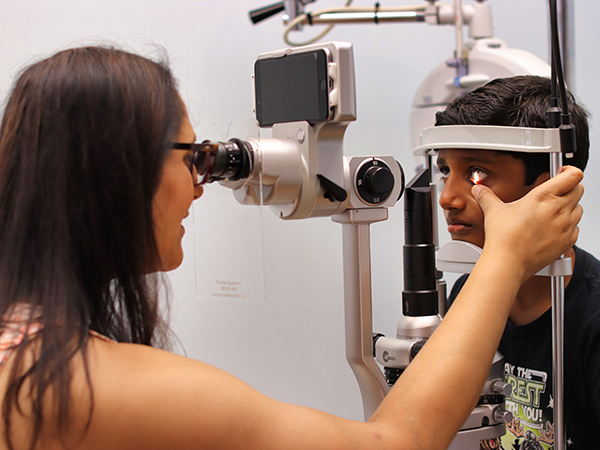
If you have dry eye disease, you may experience some or all of these symptoms. If you notice any of these symptoms, schedule an eye exam to determine whether dry eye disease is the cause.
- A stinging or burning sensation in your eyes
- Sensitivity to light
- Eye redness
- A gritty or sandy feeling in your eyes
- Stringy mucus in or around your eyes
- Discomfort when wearing contact lenses
- Watery eyes (when your body produces too many low-quality tears as a response to dryness)
- Blurred vision or eye fatigue
Treatment for dry eye
Some of the typical treatments include:
- Prescription eye drops to reduce inflammation
- In-office treatments, such as IPL therapy, to restore healthy oil gland function
- Blinking exercises and proper eyelid hygiene
- Low-dose antibiotics if an infection is contributing to symptoms
How to prevent dry eye
There are several preventative measures you can take to reduce the effects of dry eyes:
- Avoid air blowing in your eyes, such as a fan at work or the AC in your car.
- Use a humidifier in the winter to add moisture to the air.
- Take breaks and rest your eyes during long tasks, such as staring at a computer for several hours.
- Avoid smoking or smoky environments.
- Use artificial tears regularly.
- Consider the foods and drinks you consume, which can play a role in ocular dryness. Our doctors can review this with you.
Impact on quality of life
Setting aside the medical component, what patients often find most frustrating is the decreased quality of life. When dry eyes make it difficult to enjoy everyday activities like reading, or you find yourself constantly having to put lubricating drops in your eyes, your quality of life can be affected. Our eye doctors take this very seriously, and we’ll work with you to restore the quality of life you desire and deserve.
Treatment for dry eyes is unique to each individual. At our eye care centers in Arlington and Memphis, we will identify the root causes and work with you to implement a treatment plan that restores healthy vision and comfort while preventing long-term damage that can result from untreated dry eye. Schedule an appointment today to finally get lasting relief from chronic discomfort and dryness.

Arlington Office
Contact Information
Office Hours
- Monday 8:00 AM - 5:00 PM
- Tuesday 8:00 AM - 5:00 PM
- Wednesday 8:00 AM - 5:00 PM
- Thursday 8:00 AM - 5:00 PM
- Friday 8:00 AM - 12:00 PM
- Saturday Closed
- Sunday Closed
Memphis Office
Contact Information
Office Hours
- Monday Closed
- Tuesday By Appointment
- Wednesday By Appointment
- Thursday By Appointment
- Friday 8:00 AM - 5:00 PM
- Saturday 9:00 AM - 12:00 PM
- Sunday Closed
© 2026 Primary Eye Care of Arlington & South Main. All rights Reserved. Accessibility Statement - Privacy Policy - Sitemap
Managed and Designed by:
