Hormones affect far more than mood, energy levels, and metabolism. They can also influence your eyes and vision in ways many people do not expect.
Throughout life, hormonal fluctuations associated with pregnancy, menopause, birth control, thyroid conditions, and aging can affect tear production, eye comfort, and even visual clarity. While some changes may be temporary, others can become ongoing concerns that require professional care.
In this blog, we’ll discuss how hormonal changes can impact vision and eye comfort, common symptoms to watch for, and when it may be time to schedule an eye exam.
How do hormones affect the eyes?
Hormones help regulate many functions throughout the body, including tear production and the health of tissues around the eyes. Changes in estrogen, progesterone, and androgen levels can affect:
- Tear quality and tear production
- Oil gland function in the eyelids
- Corneal shape and thickness
- Fluid balance in the eyes
- Eye inflammation and sensitivity
Common eye symptoms linked to hormonal changes
Hormonal fluctuations can affect the eyes in several different ways, ranging from mild irritation to noticeable vision changes.
Dry, irritated eyes
One of the most common eye-related effects of hormonal changes is dry eye. Hormonal fluctuations can interfere with the tear film and reduce the quality of tears that keep the eyes lubricated.
Symptoms may include:
- Burning or stinging
- Redness
- Grittiness
- Watery eyes
- Blurry vision
- Light sensitivity
- Eye fatigue
Dry eye symptoms are especially common during menopause and perimenopause, though they can also occur during pregnancy or while using hormonal medications.
Fluctuating vision
Hormonal changes can sometimes affect the shape and hydration of the cornea, which may temporarily change how light enters the eye. Some people notice that their vision fluctuates throughout the day or during certain stages of pregnancy or menopause.
In some cases, contact lenses may also become less comfortable or seem to fit differently during periods of hormonal change.
Increased light sensitivity
Changes in hormones may increase inflammation or dryness on the surface of the eyes, which can make the eyes more sensitive to light. Bright screens, sunlight, and nighttime glare may become more bothersome than usual.
Eye fatigue and strain
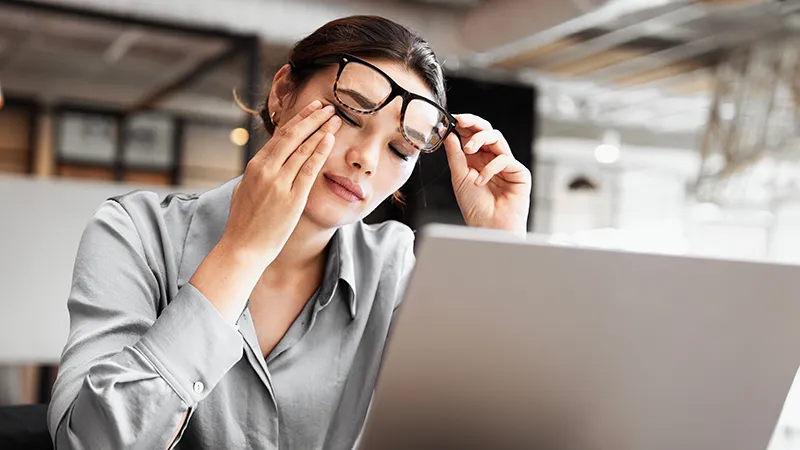
When tear quality decreases or vision fluctuates, the eyes often have to work harder to stay focused. This can contribute to headaches, tired eyes, and digital eye strain, especially during long periods of screen use.
Hormonal changes during different life stages
Hormonal fluctuations can affect the eyes differently depending on your stage of life. Certain transitions and medical conditions are more commonly associated with changes in vision and eye comfort.
Pregnancy
Hormonal fluctuations during pregnancy can affect tear production and corneal thickness, sometimes leading to blurry vision, dryness, or contact lens discomfort. These changes are often temporary but should still be monitored.
Perimenopause and menopause
Menopause is one of the most common times for women to experience changes in eye comfort. Declining hormone levels can significantly impact tear stability and meibomian gland function, increasing the risk of chronic dry eye symptoms.
Hormonal birth control and hormone therapy
Certain hormonal medications, including birth control and hormone replacement therapy, may contribute to dryness or visual fluctuations in some individuals.
Thyroid conditions
Hormonal disorders involving the thyroid can also affect the eyes. Some thyroid conditions may contribute to dryness, irritation, eye pressure sensations, or vision changes.
Managing hormone-related eye symptoms
Treatment recommendations depend on the cause and severity of symptoms. Depending on your needs, management options may include:
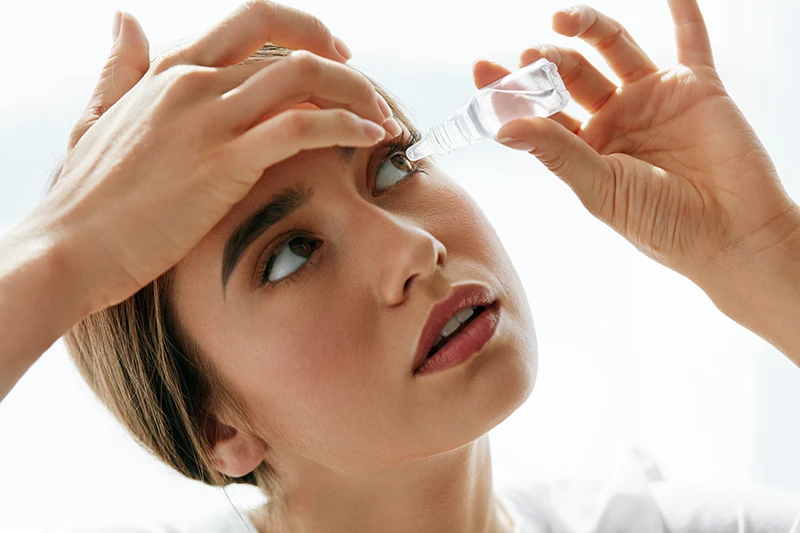
- Artificial tears or lubricating eye drops
- Warm compress therapy
- Prescription dry eye medications
- Lifestyle and environmental adjustments
- Nutritional recommendations
- Updated glasses or contact lens prescriptions
Early treatment can often help improve comfort and prevent symptoms from worsening over time.
Support your eye health at every stage of life
Changes in hormones can sometimes lead to uncomfortable eye symptoms that develop gradually over time. If your eyes frequently feel dry, irritated, or fatigued, a comprehensive eye exam can help identify what may be contributing to your symptoms.
At Primary Eye Care of Arlington and South Main, our team is committed to helping patients protect their vision and maintain long-term eye comfort with personalized, comprehensive care.
Schedule an appointment today to discuss your symptoms and keep your eyes healthy and comfortable throughout every stage of life.