Going back to school is an exciting time for many students. It is a time to meet new friends, gain new knowledge, and explore new possibilities. If you’re a parent or guardian, one of the most important things you can do for your child is to take care of their health, and this includes their vision.
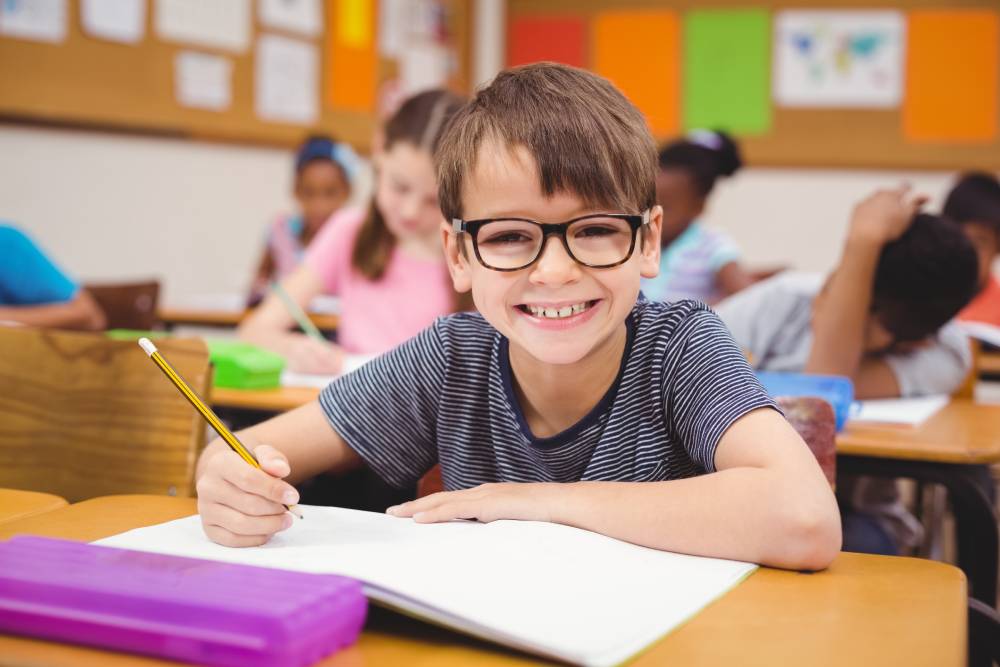
Eighty percent of learning is visual, meaning good vision is essential for academic success.¹ Children may struggle to learn and keep up with their peers if they have an undiagnosed vision problem. In this blog post, we will explore the benefits of back-to-school eye exams and why they are critical for ensuring optimal vision and eye health.
The importance of regular eye exams
Undetected eye problems can significantly impact a child’s academic performance, making regular pediatric eye exams crucial for students of all ages. In children, vision problems can lead to developmental delays, poor academic performance, and social and behavioral problems. Early detection and treatment can prevent severe issues, allowing students to learn and develop to their full potential.
School vision screenings vs. comprehensive eye exams
Many schools offer vision screenings, but these quick tests miss up to 75% of children with vision problems.² While helpful as a basic check, school screenings cannot replace a comprehensive eye exam. Comprehensive pediatric eye exams evaluate not only visual acuity but also eye alignment, focusing ability, depth perception, and eye health—critical factors that school screenings often overlook.
During a pediatric eye exam, your child’s eye doctor will perform a variety of tests to check your child’s vision and overall eye health. These tests may include:
- Reading letters or numbers on a chart
- Checking eye alignment
- Testing color vision
- Assessing eye health and screening for eye conditions
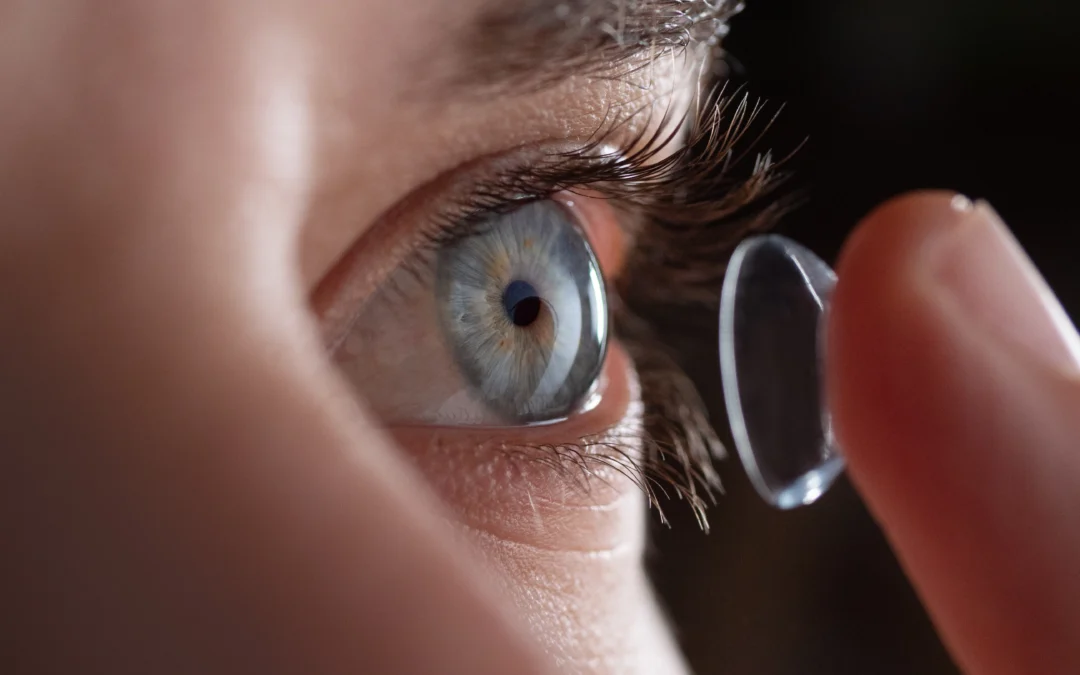
- Determining if they need glasses or contact lenses
The eye doctor will also check for early signs of eye disease and other health issues. The exam should take about 30 minutes to an hour, depending on your child’s needs.
Common vision problems in children
There are several vision problems that children may experience, including nearsightedness, farsightedness, astigmatism, and amblyopia (also known as “lazy eye”).
If your child is diagnosed with one of these conditions, their eye doctor may prescribe glasses or contact lenses or recommend vision therapy to improve their vision and eye coordination. Catching and treating these issues early on can prevent them from affecting your child’s performance in school and quality of life.
After the eye exam
After the eye exam, the doctor will discuss the results with you and recommend any necessary treatment, such as glasses or contact lenses. It’s important to follow the doctor’s recommendations for follow-up appointments and to encourage your child to wear their glasses or contacts as prescribed.
Eye health tips for back to school
In addition to an eye exam, there are other things you can do to ensure your child’s eye health during the back-to-school season:
- Have them take regular breaks from staring at screens.
- Encourage them to participate in outdoor activities that require distance vision.
- Ensure they have adequate lighting when doing their homework and reading.
- Make sure they wear protective eyewear during sports and other activities that may pose a risk to their eyes.
Schedule a kid’s eye exam before the school year begins
Getting your child’s eyes checked regularly is crucial for their academic and overall well-being. Scheduling an eye exam before the start of the school year will give you time to address any vision issues and ensure your child has the tools they need to succeed academically.
Your child’s eye doctor can also share tips for keeping your children’s eyes healthy, such as reducing screen time, increasing outdoor activities, and eating a balanced diet. So, if you haven’t already, schedule a kid’s eye exam at Primary Eye Care in Arlington or Memphis today!
References: